How to Pick a Deadlock Hero That Actually Fits You
The best hero for you is not always the highest-tier pick. It is usually the one whose decisions feel natural under pressure. This guide uses Deadlock roles, tags, and familiar roster examples to narrow your options without guessing.
Start with Deadlock playstyle traits
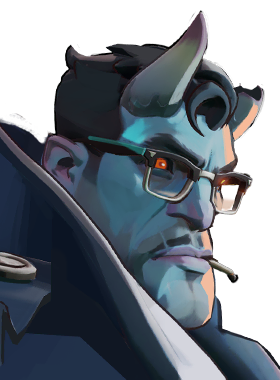
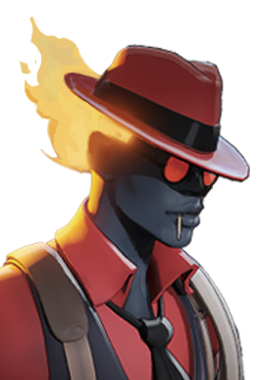
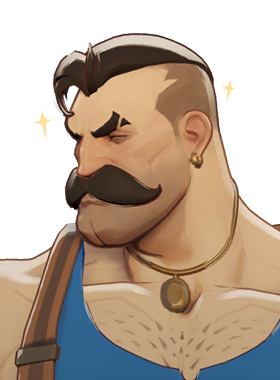
The strongest starting point is the Deadlock roster itself: roles such as Frontline, Assassin, Flex, and Carry, trait tags such as Gun Character, Spirit Character, Flex Damage, and Tempo, and familiar picks like Abrams, Haze, Infernus, and Lash.
Use those labels to describe what you want from a hero, then open the matching heroes and compare the recommendations. That keeps the guide tied to real playstyle overlap instead of a generic tier list.
- Open a Deadlock pick below if you already know one you enjoy.
- Use the tag cards to turn vague preferences into searchable traits.
- Check recommendations after each profile so you are comparing overlap, not just popularity.
Separate fantasy from workload
A hero can look exciting and still ask you to do work you dislike. Before committing, ask what the pick repeatedly demands from you: aim precision, map awareness, cooldown tracking, patience, aggression, protection, or setup.
If the workload annoys you, the hero will probably feel worse as matches get harder.
- Pick for the decisions you enjoy making repeatedly.
- Treat highlight potential as a bonus, not the main reason to choose.
- Use role labels as a starting point, then check tags for the real playstyle.
Use one comfort pick as your anchor
Start with a hero you already enjoy, then open their recommendation page. Similarity works best when you compare from a known comfort pick instead of browsing the full roster cold.
The closest matches are useful because they share high-weight traits, not just a role. Signals like Gun Character, Spirit Character, Flex Damage, and Tempo help separate a true backup pick from something that only looks similar.
Build a small pool, not a huge list
Most players improve faster with a tight pool of two to four heroes. One can be your comfort pick, one can cover a different role or matchup, and one can be a long-term learning project.
If every match starts with a new experiment, it becomes harder to tell whether the problem is the hero, the matchup, or your execution.